Child Adoption in Nepal – Clear Guidance for Families Hoping to Adopt
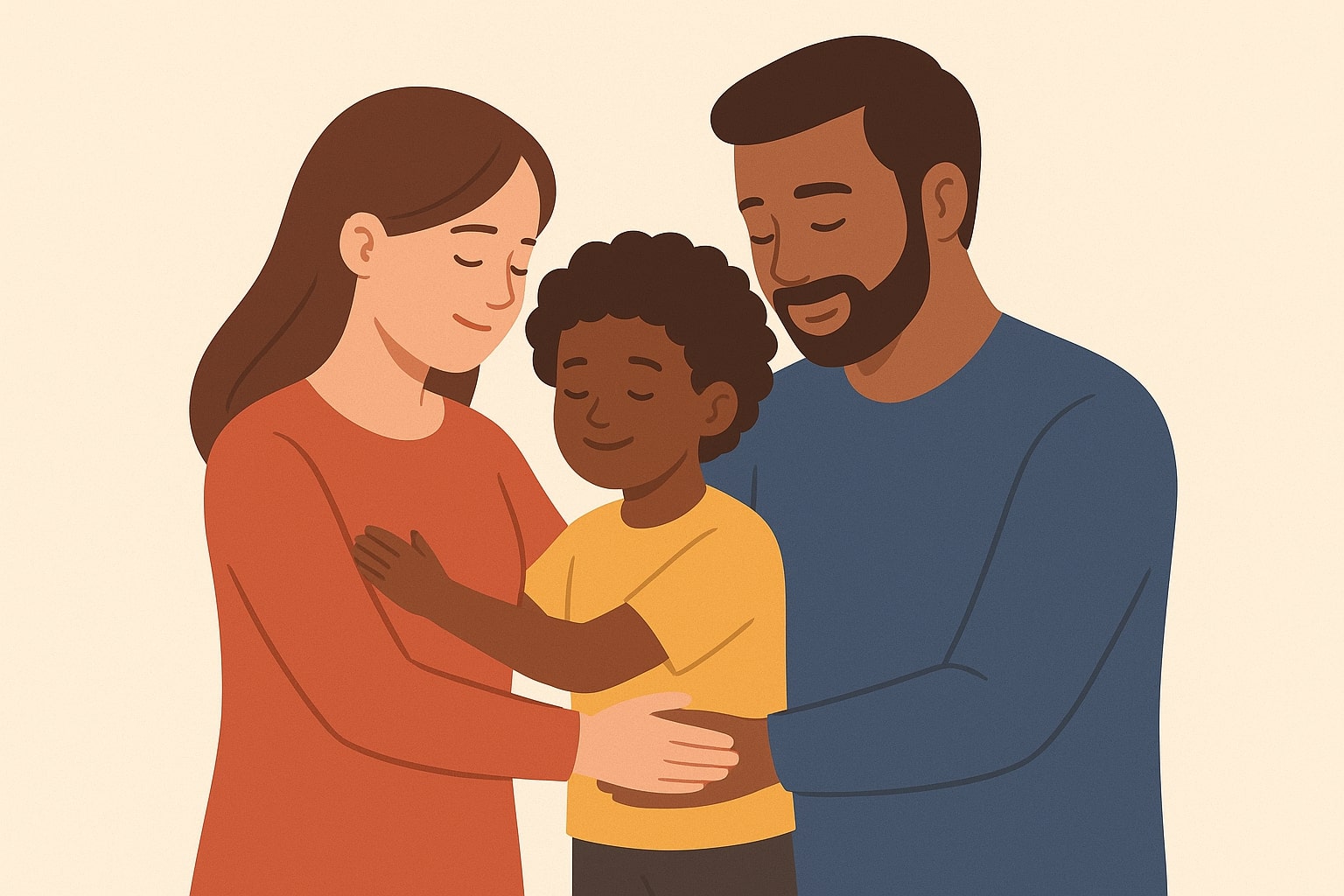
Adoption in Nepal is a life-changing step for anyone who dreams of welcoming a child into their family. Many couples who’ve waited years to become parents, as well as individuals who meet the legal requirements, often wonder how to adopt a child in Nepal and what the actual adoption process looks like. Nepal’s laws make it possible for eligible parents to bring a child into their home with full legal rights, just like a biological son or daughter. Once the adoption is finalized, the child becomes a lawful member of the new family with every responsibility and inheritance right granted by law.
When you begin thinking about adoption, questions naturally arise: Where do I start? Which child can be adopted? What are the rules? Our legal team helps families navigate these decisions with confidence, offering support for domestic adoption, international adoption queries, and all legal procedures connected to child adoption in Nepal.
Who Is Eligible to Adopt a Child in Nepal?
Nepal’s adoption law outlines clear eligibility rules for anyone wishing to begin the baby adoption process or adopt an older child. You may qualify for adoption in the following cases:
-
A married couple who has not had a child even after ten years of marriage.
-
An unmarried woman who is at least forty-five years old and has no son or daughter.
-
A widow, divorced woman, or a woman legally separated from her spouse, without any children.
-
An unmarried man aged forty-five or above who has no son or daughter.
-
A widower, divorced man, or a man judicially separated from his spouse who does not have children.
Nepal also allows adoption for individuals living separately due to judicial separation. A man or woman in this situation may legally adopt a child on their own.
Who Cannot Be Adopted According to Nepal Adoption Law?
Not every child can be placed for adoption. Nepal’s child adoption rules clearly restrict adoption in the following cases:
-
A child who has already completed fourteen years of age.
-
A child who is the only son or daughter of their biological parents.
-
A child who has been adopted previously.
-
A child who shares a close blood relationship with the adoptive parent.
-
A child who is not a Nepali citizen.
(Exception: Non-Resident Nepali citizens with foreign citizenship may adopt.)
These rules help protect both the child and the adoptive parents, ensuring transparency and lawful guardianship.
General Requirements for Adoptive Parents
To make sure every adopted child grows in a safe and stable home, Nepal’s legal system requires the following conditions:
-
Adoptive parents must be of sound mind, emotionally stable, and free from any criminal record.
-
They must be financially capable of raising and supporting a child.
-
If an adoptive couple already has a biological son or daughter, adoption is still possible only when the court grants permission. This is typically allowed when biological children already live separately, have received their share of property, or are legally recognized as living independently.
For married couples, both spouses must give written consent before the adoption process can move forward.
How We Support You Through the Adoption Process
Adopting a child can feel overwhelming without proper legal guidance. Our experienced adoption lawyers walk you through each step—understanding eligibility, preparing documents, evaluating adoption laws, and ensuring full compliance with Nepal’s child adoption regulations. Whether you’re looking for information on a child adoption center in Kathmandu, trying to understand the legal process for baby adoption, or exploring international Nepal adoption requirements, we’re here to help.
We provide:
-
Clear explanation of Nepal’s adoption process.
-
Document preparation and legal compliance.
-
Guidance on eligibility, age limits, and adoption law in Nepal.
-
Support for couples, single parents, NRNs, and international applicants.
If you’re planning to adopt a child and want accurate, reliable legal advice, reach out to our team. We’ll help you navigate every step with clarity and compassion so you can begin your journey toward growing your family.